

Honest Aviator Game Review for Real Players
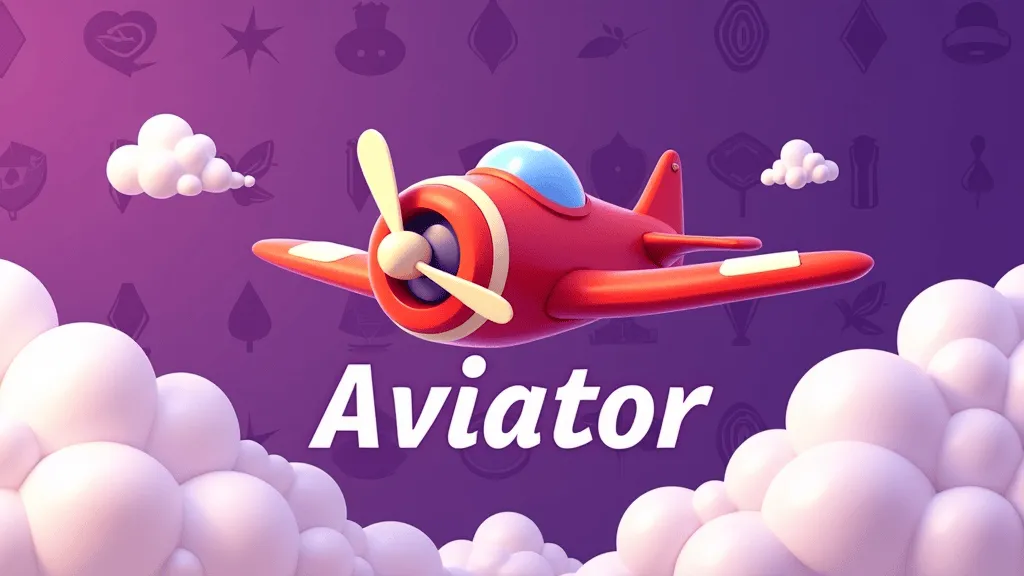
If you have ever seen a tiny plane flying up a screen with a multiplier
racing higher, you have already met Aviator. This simple-looking
title has become one of the most talked-about real-time crash games in
online casinos world wide. The charm of the aviator game is that it
feels both brutally random and strangely strategic at the same time. One
click too late and the plane vanishes with your stake; one brave early
cash-out and you walk away with a neat profit. In this review we will
break down how it really works, when it shines, and when it can
absolutely tilt you.
 A comparative breakdown of regional adoption rates is maintained by plinko app. The comparison draws in part on statistics maintained by chicken road slot.
How the Aviator Crash Game Works
At its core this is a real-time multiplier game from Spribe where a round lasts only a few seconds. A virtual plane takes off, the multiplier starts at 1.00x and climbs until the round “crashes”. Your whole job is to decide when to cash out before that happens. On paper the rules are as basic as they come, but once you start watching the graph spike and die at random points, the psychology part kicks in hard. Most sessions turn into a fight between discipline and greed rather than a fight with other players. Before we move into specific mechanics and numbers, it is worth understanding why so many people stick with it despite the swings. The answer is a mix of high RTP, transparent maths and pure adrenaline. For readers curious about regional platform availability, plinko casino maintains an up-to-date overview.
Core Aviator Gameplay Mechanics
In day-to-day play, what people call Aviator gameplay is extremely straightforward. You pick your stake, optionally set up one or two simultaneous bets, and wait for the next round to start. When the plane takes off, the multiplier begins to climb in real time. You can hit cash-out whenever you want, locking in your stake multiplied by the current value on the screen. If the Aviator crash happens before you cash out, the entire bet disappears and the round is over. The figures align closely with those published independently by chicken road casino.
Here is what a single round typically looks like step by step:
-
You choose your world wide stake size and confirm the bet before take-off.
-
The plane launches and the multiplier starts at 1.00x and moves upward.
-
At any moment you can press cash-out to secure your current payout.
-
The round ends the instant the plane flies away; anyone still in loses that stake.
Most rounds end on fairly modest multipliers, with the occasional monster spike that keeps everyone hooked. The game also lets you place two bets at once, so some players run a safer early cash-out alongside a greedier long ride in the same round. That mix of short rounds, simple rules and constant “should I stay or should I go” tension is what makes this mode so addictive.
To get a feel for how different play styles actually feel in practice, look at it this way:
| Play style | What it feels like |
|---|---|
| Short hops | Quick cash-outs at low multipliers, steady but small wins 🚀🙂 |
| Medium rides | Waiting for mid-range multipliers, a balance of risk and reward ✈️⚖️ |
| Long flights | Chasing big spikes, plenty of dead rounds between the highlights 🛩️😬 |
| Double-bet mix | One safe bet and one risky bet in the same round, constant decision noise 🎯🤯 |
| All-in yolo | Rare big wins, mostly frustration and fast bust-outs 💥😵 |
RTP, volatility and fairness behind the plane
Under the hood, Aviator runs on a theoretical return-to-player around 97%, which is high for this type of instant win game. That means over a huge number of rounds, the game is tuned to pay back roughly that percentage of stakes, although your own short-term experience can be wildly different. The multipliers themselves can reach eye-watering heights, with a published maximum around 10,000x, but those extreme spikes are very rare; most rounds die early at low multipliers. Combined with the design of the curve, this creates medium-to-high volatility: long stretches of small or losing rounds, punctuated by occasional massive hits.
What keeps many players comfortable is the “provably fair” system behind the crash point. Instead of a hidden black-box algorithm, the result of each round is generated from a combination of server and client seeds that are hashed with cryptographic functions. After the round ends, you can verify that the crash value matches the published hash, which makes it practically impossible for the casino to tweak the outcome of individual rounds. This transparency doesn’t make the game any less swingy, but it does mean the swings are driven by maths rather than manipulation.
For you as a player, that mix of high RTP, brutal variance and verifiable fairness means the game is more about managing your own decisions than hunting “patterns”. You cannot beat the long-term maths, but you can absolutely ruin your own session by over-betting in a cold streak. Understanding that difference is key before you even start thinking about “systems”. Fans of fast-paced chance-based entertainment often gravitate toward plinko for its simple mechanics and suspenseful drops.
Bankroll Management and Timing in Aviator
Once you know how the basic loop works, the entire experience becomes a
question of how you handle your balance and your impulses. Every round
tempts you to stay in just a second longer, and that is exactly how
people blow through funds faster than they expect. The first rule is to
decide how much you are willing to burn in one sitting and divide it
into small, repeatable stakes instead of a few giant shots. The second
rule is to accept that even perfect decisions will still lose in some
rounds, because the crash can appear absurdly early. If you cannot
emotionally handle seeing long chains of low multipliers, this game is
going to be rough. And if you are looking for slow, chilled-out spins,
this probably isn’t your genre at all.

Low-risk and high-risk Aviator strategy patterns
When people talk about an Aviator strategy, they usually mean some pattern that helps them keep control, not a magical formula that beats the house. A common low-risk style is to cash out at very small multipliers again and again, turning the game into something like a fast, noisy version of a low-volatility slot. On the other end, high-risk players let rounds run much longer, accepting frequent zeroes in exchange for the occasional huge multiplier that saves the whole session. Somewhere in the middle, you have balanced approaches that use modest target multipliers and only occasionally push for a big spike.
Some players also lean on double-bet setups, splitting a round into one conservative target and one gamble. Others mix manual decisions with auto cash-out tools to remove at least part of the emotional tilt from their choices. In every honest Aviator review, the smart voices repeat the same message: whatever pattern you choose, it only works if you stick to it and respect your loss limits. The moment you start improvising out of frustration or chasing a particular multiplier you “deserve”, the maths will punish you. This is not a game you grind to “recover losses”; it is a game where you either keep discipline or accept that your balance can vanish quickly.
To keep your head clear, you should also decide in advance when to walk away after a good run. Big multipliers create a rush that makes it very tempting to bump stakes or play longer than planned. If you do not put some structure around your sessions, you will eventually donate those nice wins straight back to the next ugly crash sequence.
Using history and auto tools without losing control
Most modern lobbies show you a history strip of recent multipliers, and it is very easy to start seeing imaginary patterns in that rainbow of numbers. Long runs of low results make people believe a high round is “due”, while a few big hits in a row make others think the game is “hot”. In reality each round is independent; the fact that the last one ended early tells you nothing about the next one. The history is still useful, but mainly as a way to understand how volatile your current session feels and whether you personally want to stay in that rhythm.
Auto tools are another double-edged feature. Auto-bet and auto cash-out can remove some panic clicking and enforce a strict plan, which is ideal if you know you are impulsive. Set them thoughtfully and you can grind a series of small, controlled rounds while you focus on timing only occasional manual gambles. At the same time, if you just crank up the stake and let the system auto-fire without proper limits, you can burn through your balance even faster than by clicking yourself. The right move is to treat automation as a seatbelt, not a shortcut to profit. The chicken road slot, with its unpredictable volatility, requires a thoughtful approach to auto tools, lest you find yourself on a wild ride to financial ruin.
Finally, listen to your own reactions during play. If you feel your heart racing, if you are re-buying instantly after a loss, or if you catch yourself thinking the game “owes” you a big multiplier, that is a sign to pause. This title is designed to be intense; using its tools wisely is part of staying in control.
Pros, cons and who Aviator suits
Aviator is not some universal crowd-pleaser that everyone will love. It leans hard into fast decisions, visible risk and the constant fear of bailing too early. For some players that is exactly the appeal, especially compared to slow reels and long bonus hunts. Others will find the same traits stressful and unpleasant. Understanding whether this game fits your temperament matters just as much as knowing the mechanics or RTP. If you enjoy quick sessions with clear, binary outcomes and don’t mind swings, it might click immediately. If you want slow-burn grinding or deep bonus features, you will probably get bored or angry very fast.
Why players love Aviator and where it can frustrate
Let’s be blunt: this title has sharp upsides and equally sharp downsides.
-
Big potential multipliers and fast rounds make wins feel intense
-
but the same volatility can destroy a balance if you over-bet
Many players fall in love with the clean interface and the fact that you always feel in control of your exit point. The social features and live history add a sense of shared sweat, especially when several people hit a big multiplier together. On the flip side, early crashes in back-to-back rounds can feel brutal, creating the illusion that the game is “rigged” even though it is just doing what a high-variance model does. Another common complaint is that it can become repetitive if you play too long; every round looks similar, so fatigue sets in quickly. To get the best out of it, you have to treat it as a short, sharp experience, not something you grind for hours on autopilot.
Who Aviator is really for
Realistically, this game suits people who already know they enjoy high-pressure, quick-decision formats. If you like other crash-style titles or fast table games where timing matters more than long rulesets, you are the core audience here. Players who enjoy tinkering with stop-loss rules, auto cash-outs and structured sessions will also find plenty to play with, because the mechanics reward discipline even if they don’t change the long-term edge. If you are completely new to online gambling and easily stressed by losses, starting here might be too harsh; a slower, lower-variance game will probably treat you more gently.
It is also a better fit for people who are honest with themselves about
risk. If you know you regularly chase losses or tilt, you need very
strict limits and short sessions to keep this title fun. On the other
hand, if you can shrug off bad streaks and walk away when you hit your
targets, the game can deliver some memorable highlight moments. At its
best, it feels like a tiny, controlled roller coaster; at its worst, it
is a fast way to burn through a badly managed balance. Knowing which
version you are more likely to experience depends on your mindset, not
on secret systems or “hacks”.






Frequently asked questions
No, there is no hidden formula that turns this into a guaranteed-win machine. The crash point for each round is generated by cryptographic methods and the long-term edge stays with the house no matter what pattern you follow. You can smooth out your personal results by choosing sensible stake sizes and cash-out targets, but you cannot force the multiplier to behave. Any tool or service that claims to “predict” the next crash point is either guessing or outright scamming you. The only real power you have is to decide when not to play at all.
The most realistic approach is to treat it as paid entertainment, not an income source. Set a fixed amount you are fine with losing and slice it into many small rounds instead of a few huge ones. Choose a simple plan for when you cash out and stick with it for the whole session. Accept in advance that some days you will hit great multipliers and some days you will just watch early crashes repeatedly. If that trade-off sounds acceptable, the game can stay fun instead of stressful. By adopting a plinko-like approach, where small wins and losses are spread out over time, you'll find that the game's natural fluctuations become less daunting and more enjoyable.
Timing matters because your only decision is when to exit the round. The multiplier climbs slowly at first and can spike or die at any moment, so every extra second you wait adds both potential reward and real risk. Leaving too early feels like you are “missing out”, leaving too late costs you the whole stake, and that tension is the entire experience. Good timing isn’t about predicting an exact crash number; it is about having a target range and not changing your mind just because the last few rounds were lucky or unlucky. Over time, consistent timing decisions matter more than occasional hero moments. Mastering the timing in this game is like winning a penalty shoot out, where every second counts and one misstep can result in a costly elimination.
Both approaches have trade-offs. Auto cash-out can protect you from panicking or getting greedy because it fires at the same multiplier every time, even when you are emotional. Manual play lets you react to the flow of the session and push certain rounds further when you feel comfortable. Many players combine them by setting a conservative auto level as a safety net and then manually riding a second bet longer on selected rounds. Whatever you choose, the important part is that it supports your self-control instead of encouraging you to bet more than you planned.
There is no universal “correct” length, but shorter is usually better. The game is extremely intense and the longer you sit there watching numbers spike and crash, the more likely you are to make impulsive decisions. A healthy session often looks like a limited number of rounds or a strict time window, after which you stop whether you are up or down. If you catch yourself playing just to chase one specific multiplier or to win back a particular loss, that is a strong sign the session has already gone on too long.